Autoencoders for Seismic Waveforms: Compress, Learn, and Generate
Autoencoders learn compact representations by reconstructing seismic data. This tutorial explains their use...

Magnitude 2.5+ over the past 24 hours.
Loading recent earthquakes…
Autoencoders learn compact representations by reconstructing seismic data. This tutorial explains their use...

How human comparisons become a training signal, where DPO fits, and why useful AI agents still need indepen...
Recent technical articles on seismic analytics, scientific computing, numerical modeling, and production data workflows.
Using multiple threads in C for concurrent process flow
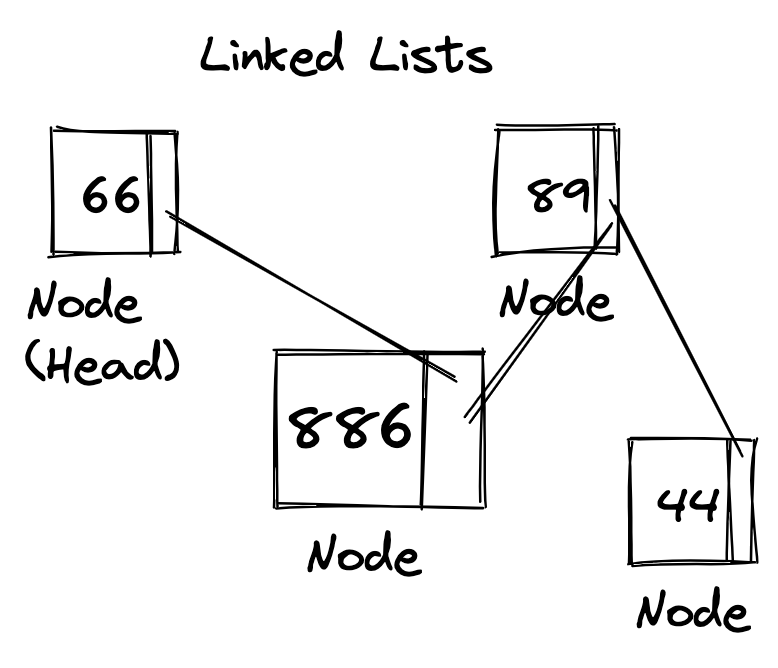
We look into a quick overview of the idea of linked list data structure with some examples.
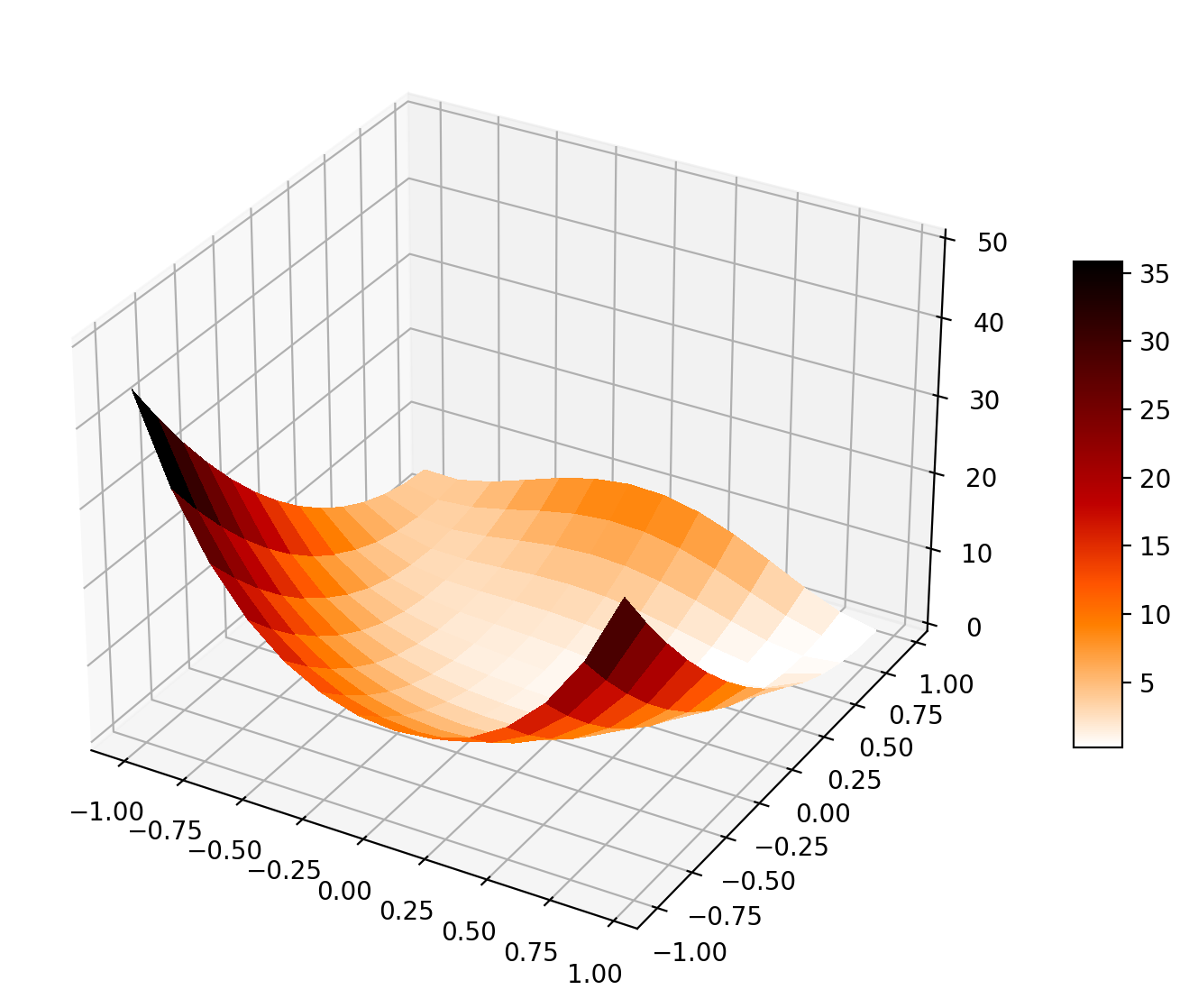
We will inspect the L-BFGS optimization method using one example and compare its performance with the gradient descent method
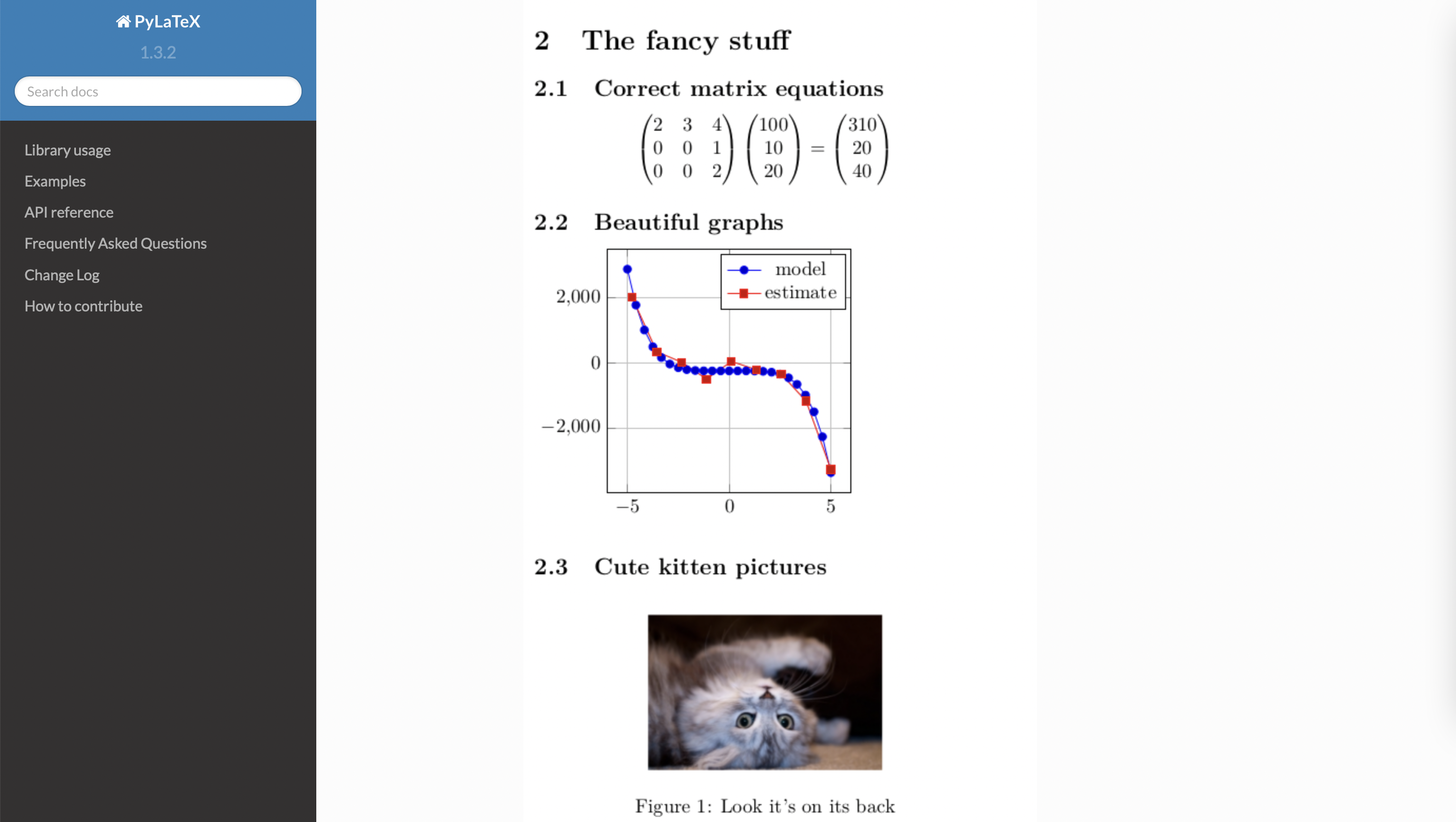
We will use the Python package to create beamer presentation and append existing figures to each slide
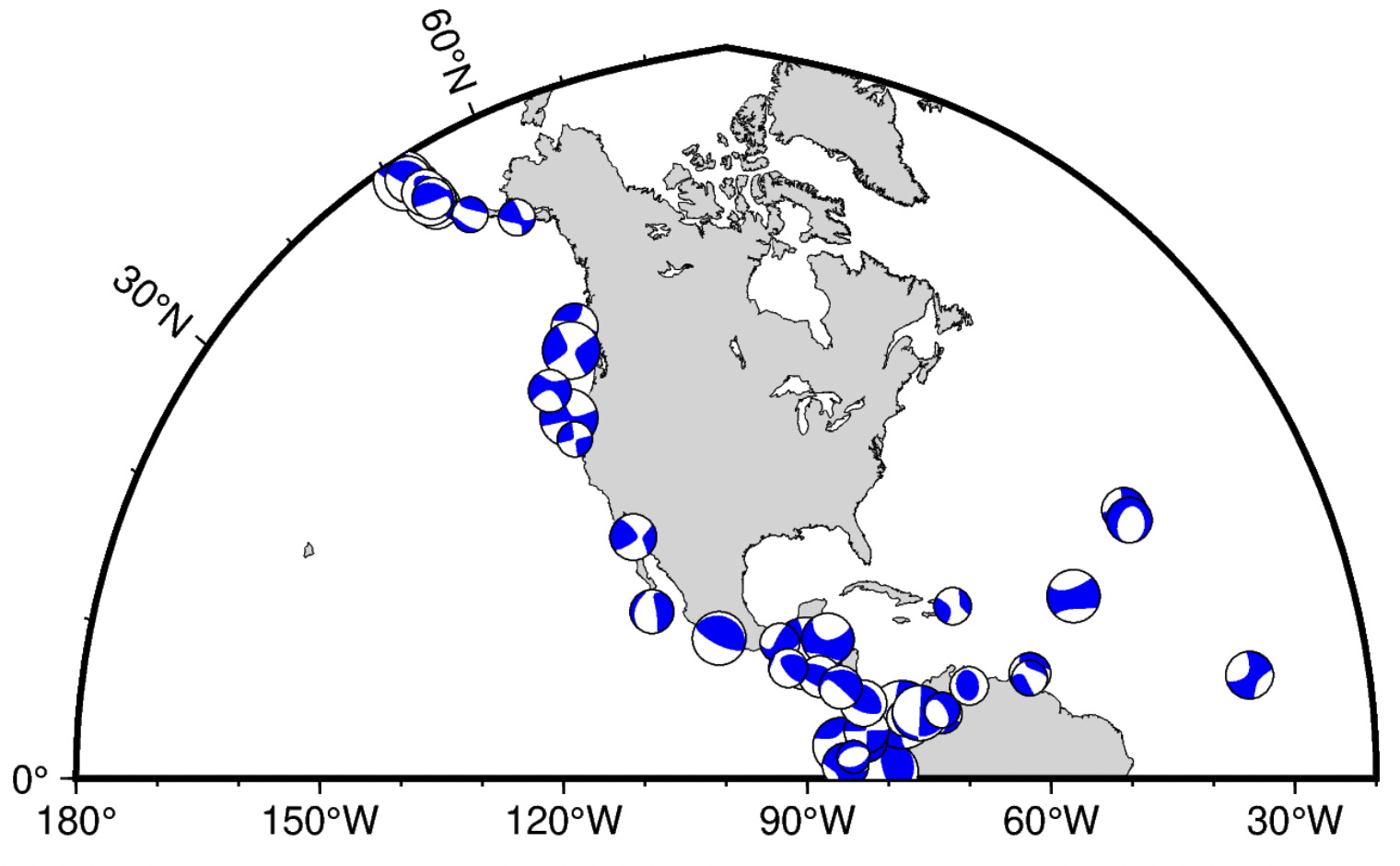
We will see how to plot a topographic map, overlay earthquake data on topographic maps, plot focal mechanism solutions and plot tomographic results on a geog...
A step-by-step Fortran program to read a formatted tabular Earth-model file — count the rows, allocate arrays, then read the columns and find the discontinui...
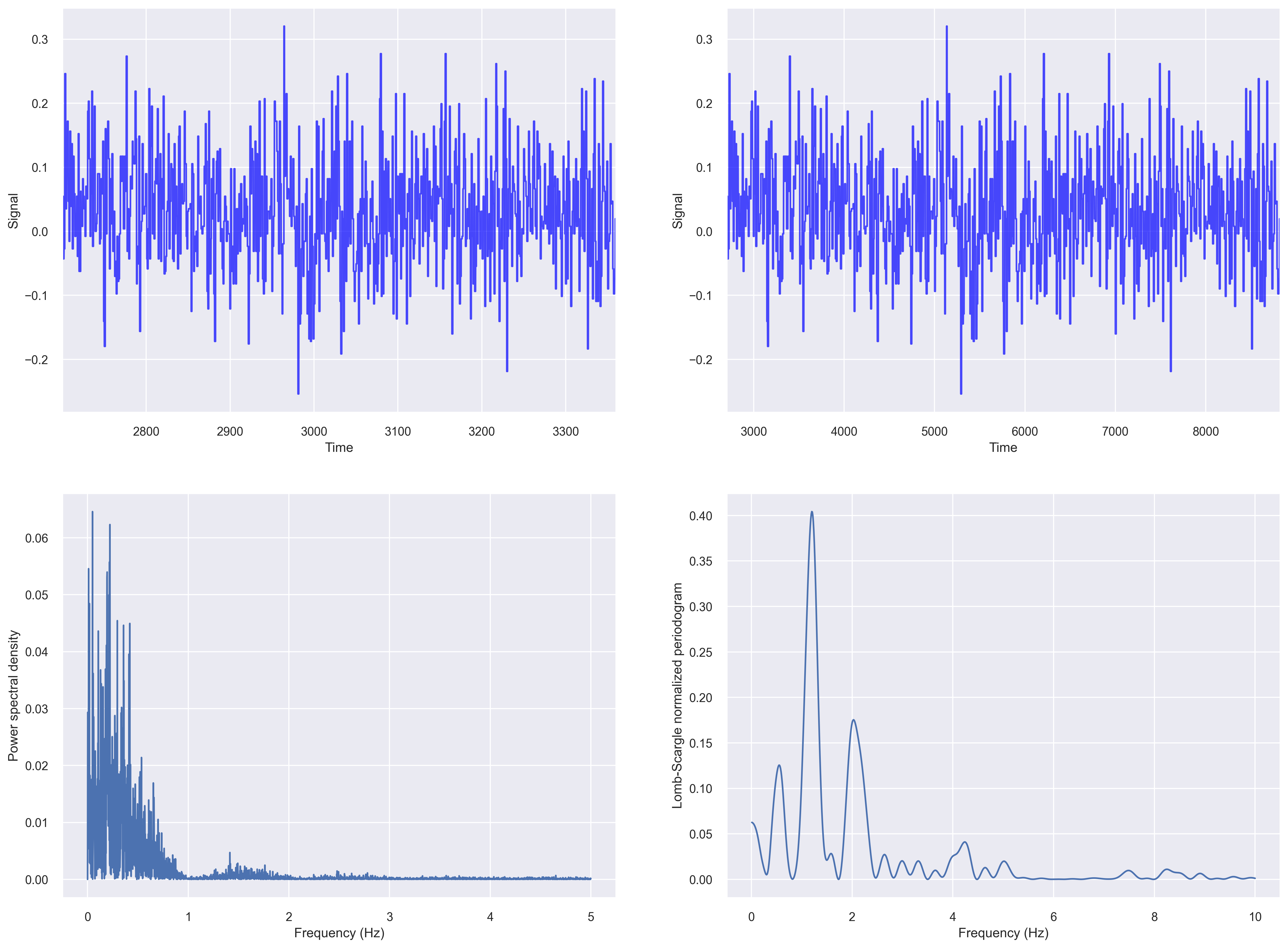
While analyzing time series data, we often come across data that is non-uniformly sampled, i.e., they have non-equidistant time-steps. Infact, most of the re...
We will learn how to use the poetry package to create, manage, build and publish Python package on PyPI
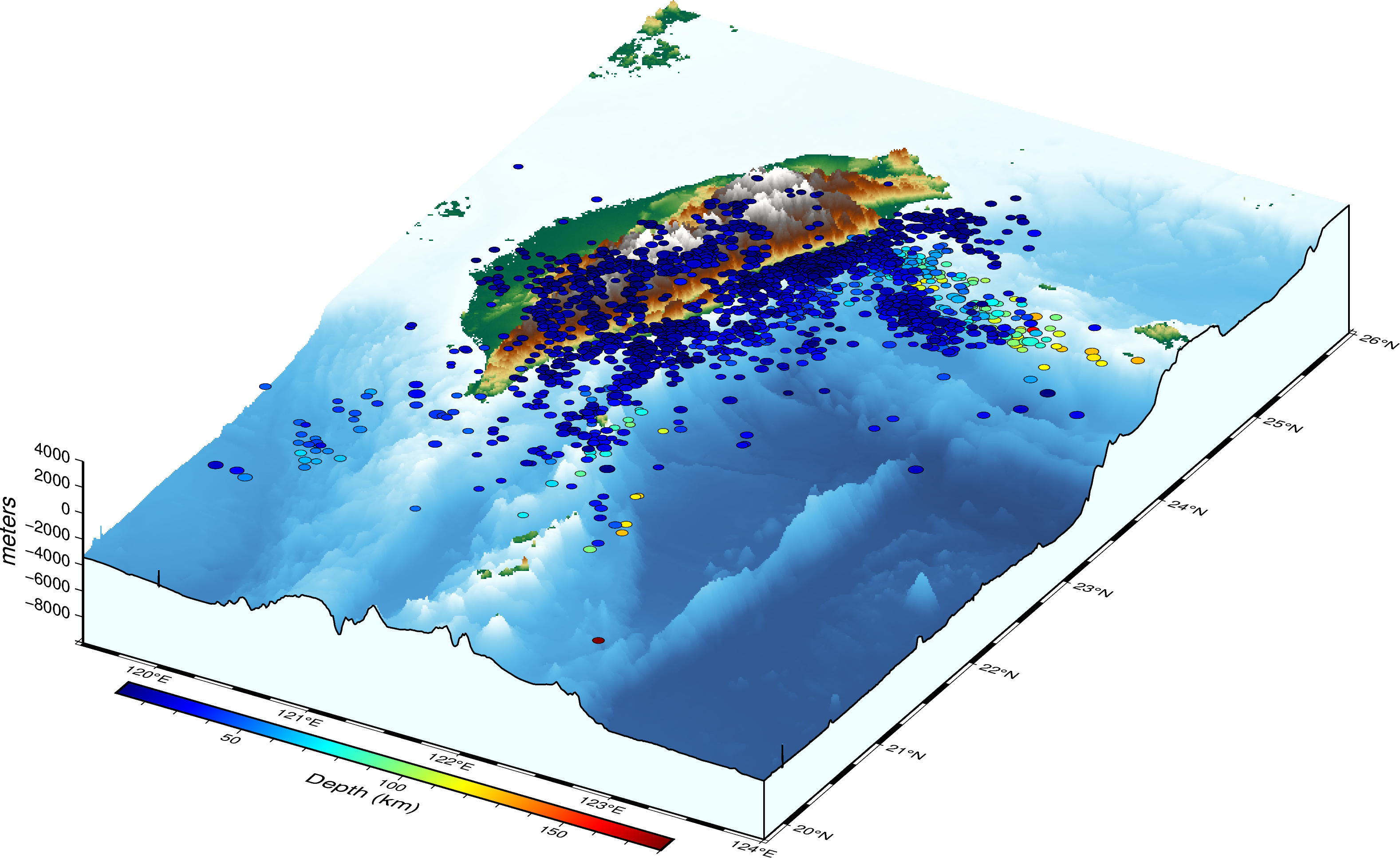
Read the earthquake data from a data file and overlay on a three-dimensional topographic map using PyGMT.
Learn to encrypt and decrypt any files, data or software with python
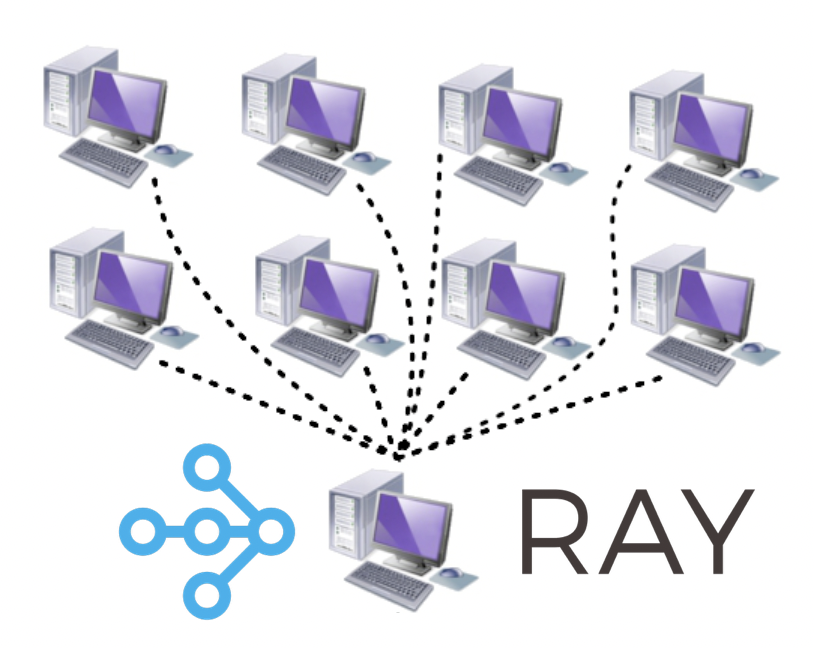
We will introduce the concepts of distributed computing and then use the open-source Python library Ray to write scalable codes that can work on distributed ...
We will see how we can read a large data file with earthquake catalog in Python using the Dask library
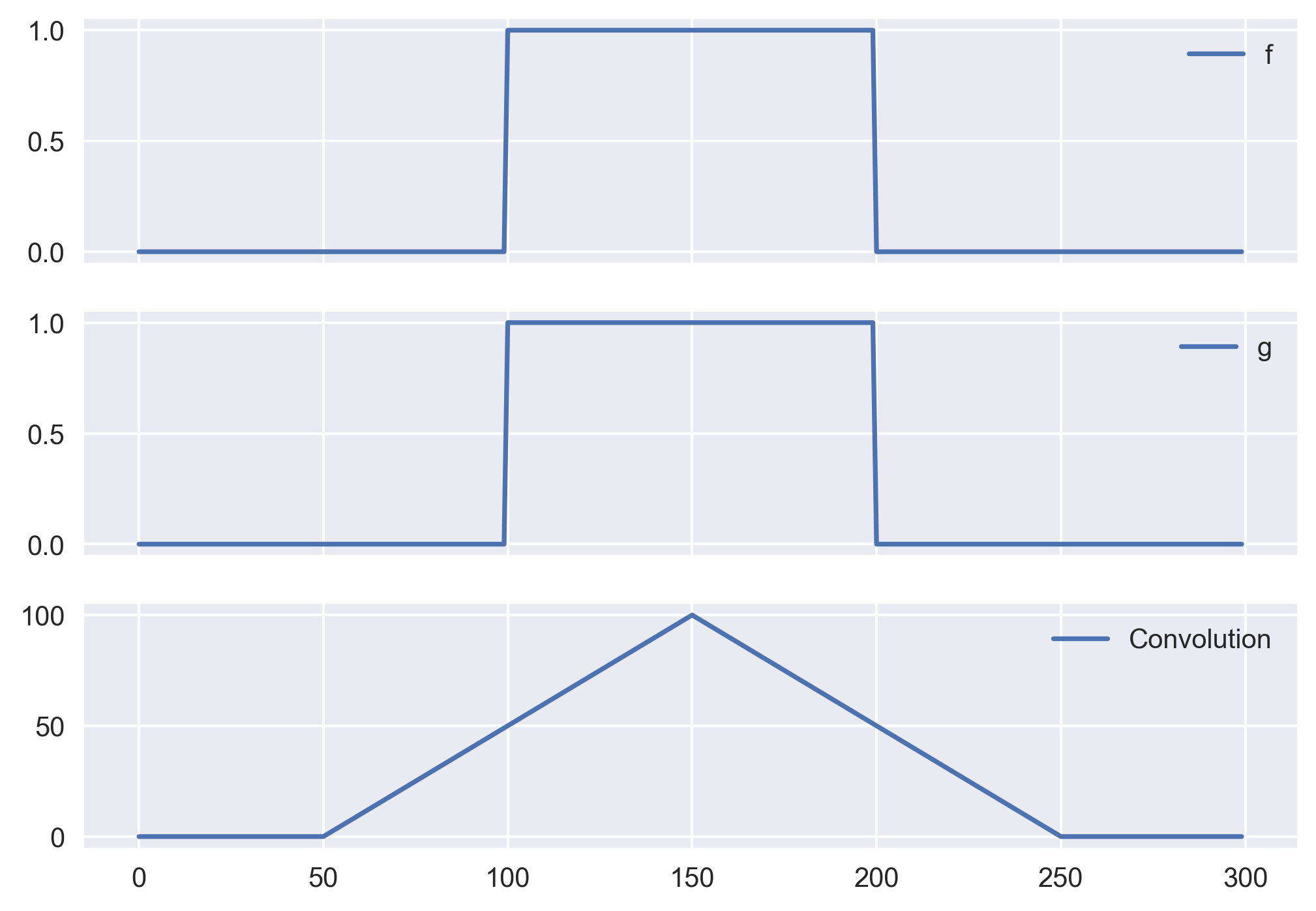
We will see compare the convolution functions in Python (Numpy) with the conv function in MATLAB. If you have tried them both then you would know that its no...
We will read and write text and numeric data into a file using modern fortran.
Using multiple threads in C for concurrent process flow
We look into a quick overview of the idea of linked list data structure with some examples.
We will inspect the L-BFGS optimization method using one example and compare its performance with the gradient descent method
We will use the Python package to create beamer presentation and append existing figures to each slide
We will see how to plot a topographic map, overlay earthquake data on topographic maps, plot focal mechanism solutions and plot tomographic results on a geog...
A step-by-step Fortran program to read a formatted tabular Earth-model file — count the rows, allocate arrays, then read the columns and find the discontinui...
While analyzing time series data, we often come across data that is non-uniformly sampled, i.e., they have non-equidistant time-steps. Infact, most of the re...
We will learn how to use the poetry package to create, manage, build and publish Python package on PyPI
Read the earthquake data from a data file and overlay on a three-dimensional topographic map using PyGMT.
Learn to encrypt and decrypt any files, data or software with python
We will introduce the concepts of distributed computing and then use the open-source Python library Ray to write scalable codes that can work on distributed ...
We will see how we can read a large data file with earthquake catalog in Python using the Dask library
We will see compare the convolution functions in Python (Numpy) with the conv function in MATLAB. If you have tried them both then you would know that its no...
We will read and write text and numeric data into a file using modern fortran.