Finding Tiny Earthquakes by Their Fingerprints
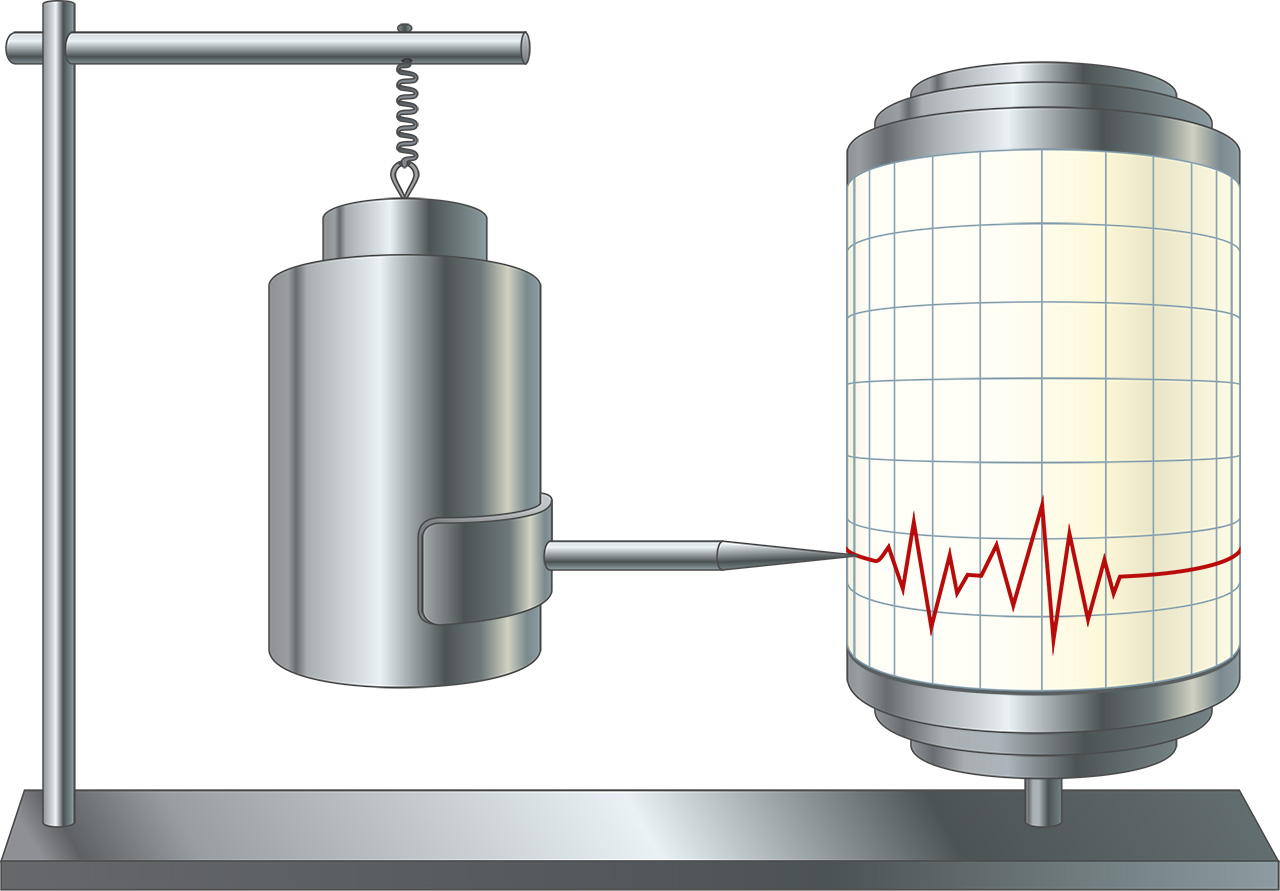
A three-station seismic matched-filter experiment shows how repeating waveform shapes reveal small earthqua...

Magnitude 2.5+ over the past 24 hours.
Loading recent earthquakes…
A three-station seismic matched-filter experiment shows how repeating waveform shapes reveal small earthqua...

A simple shop-and-courier analogy explains how TCP delivers data, TLS protects it, and HTTP gives a website...
Recent technical articles on seismic analytics, scientific computing, numerical modeling, and production data workflows.
A tour of how modern earthquake-monitoring systems turn continuous seismic waveforms into earthquake catalogs — the ML pipeline of picking, association, and ...
A beginner-friendly walkthrough to build and run Whisper Journal with multilingual dictation, local Whisper transcription, AI-assisted title/tag generation, ...
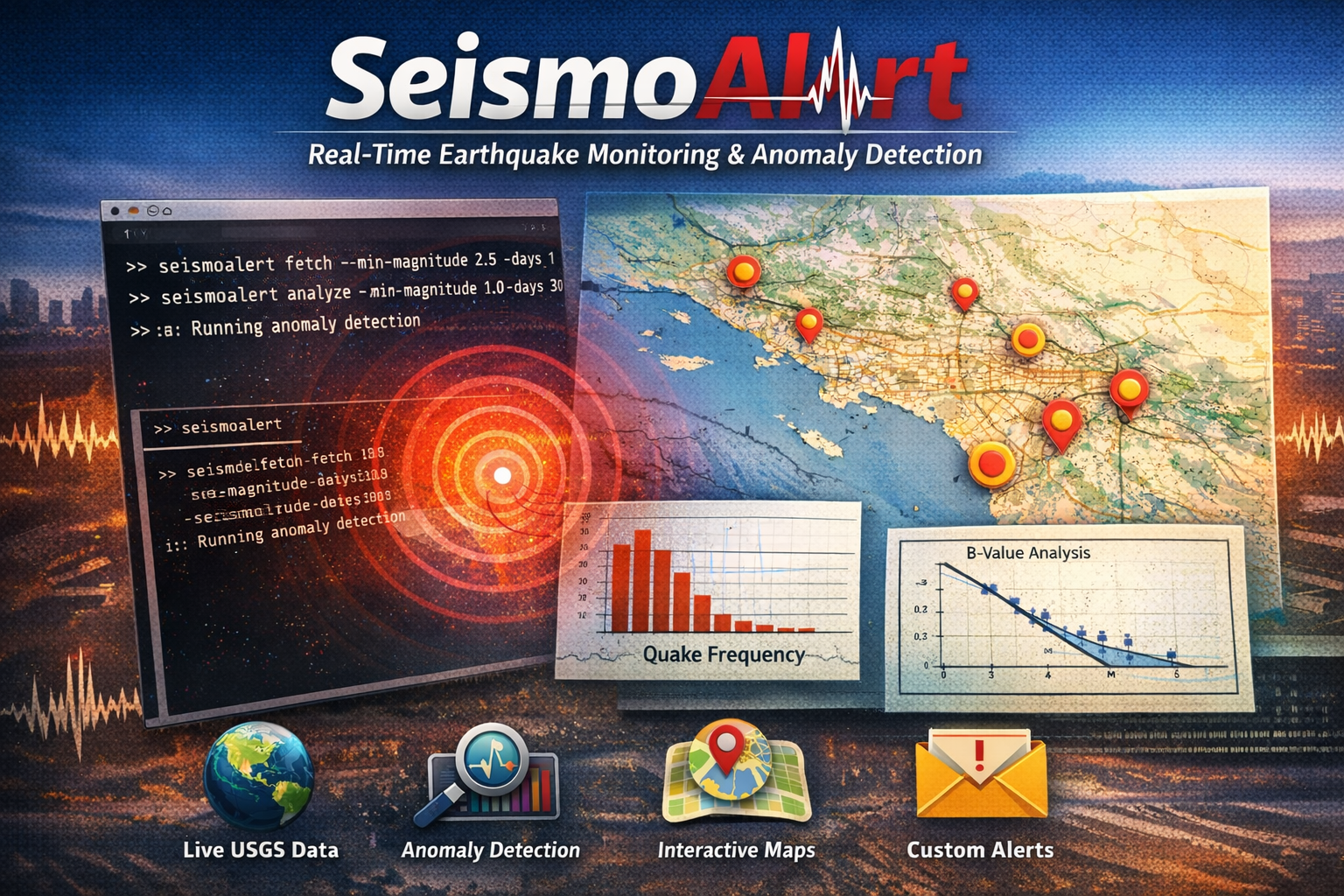
I built SeismoAlert to fetch USGS earthquake data, run statistical analysis, detect anomalies, and generate interactive maps from a single CLI.
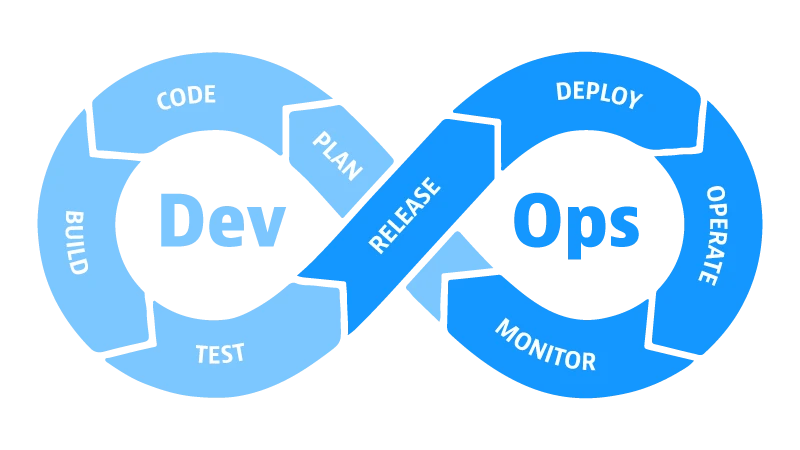
A practical, beginner-friendly walkthrough of a complete FastAPI DevOps workflow: clean code, layered testing, CI with Jenkins and GitHub Actions, and runtim...
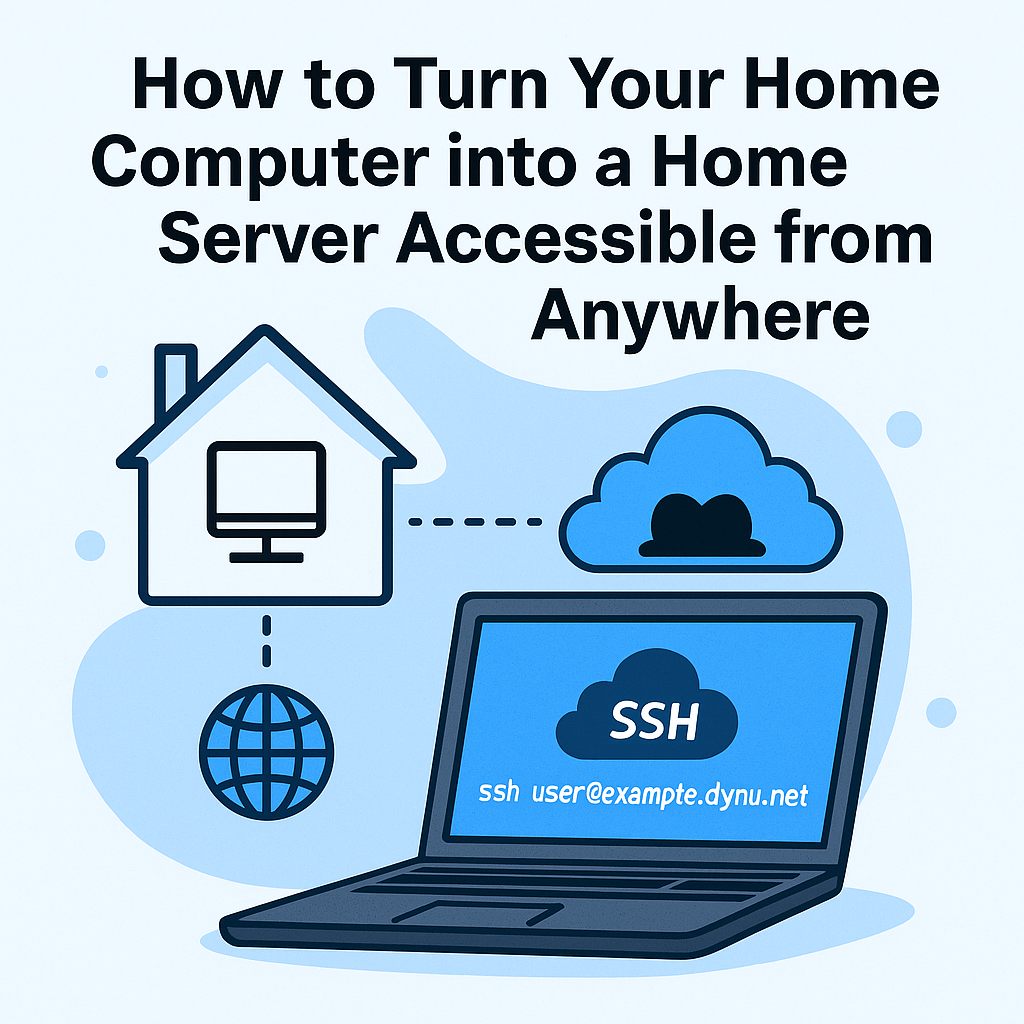
Turn your everyday computer into a home server you can access from anywhere using Dynamic DNS, a simple update script, and secure SSH access.
The San Francisco Bay Area combines high seismic hazard, dense urban exposure, and aging infrastructure. Structural Health Monitoring can improve post-earthq...
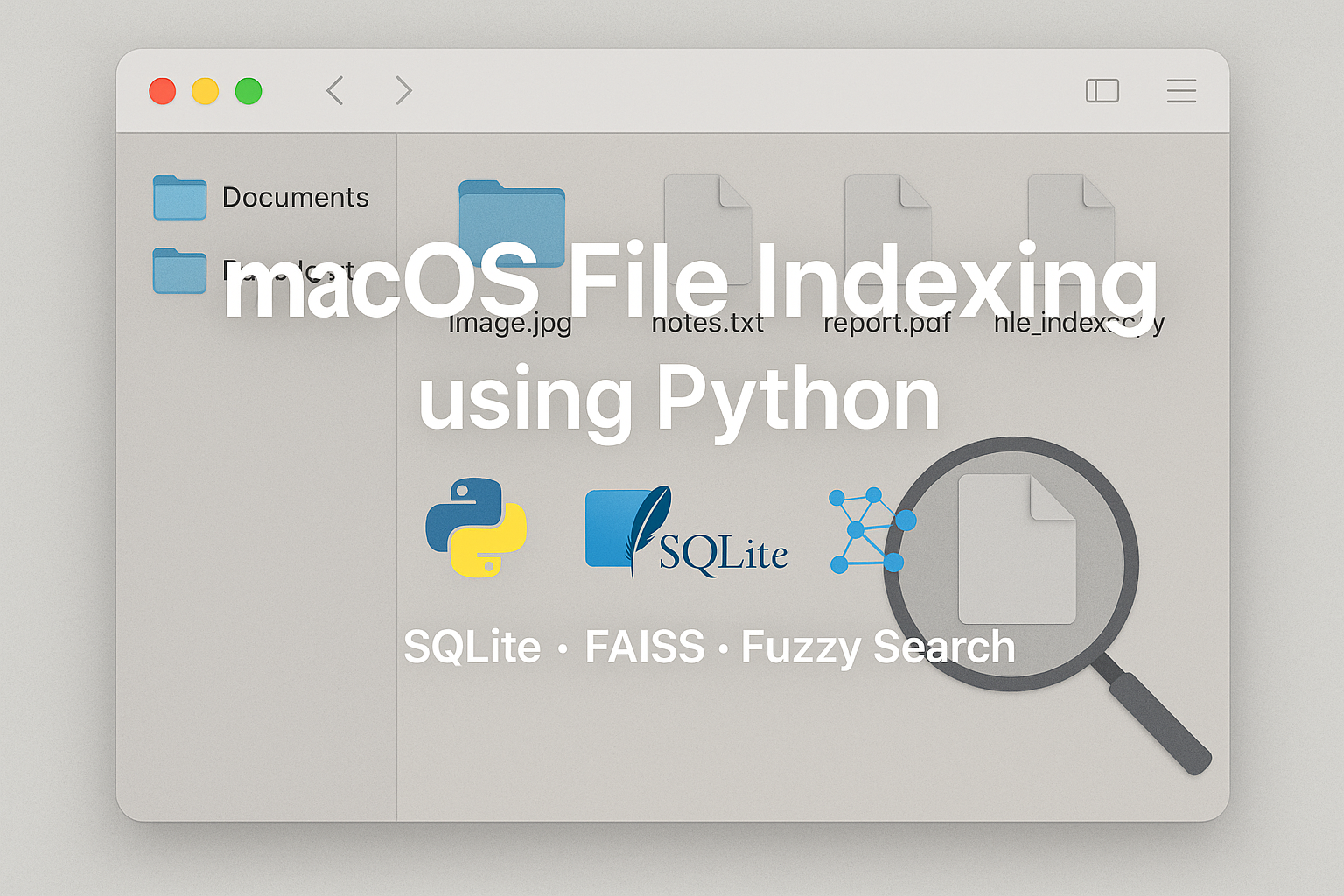
A Python-based solution for indexing and searching files on a macOS system using SQLite, FAISS, and semantic search.
Cloud computing is transforming geophysical and seismological research by enabling scalable processing, faster collaboration, and reproducible workflows for ...
A practical introduction to Docker for geophysics students, including images, containers, volumes, and a simple workflow for reproducible seismic data analys...
Learn how to set up Databricks, create your first Spark cluster, upload data, and run PySpark notebooks for scalable big data analysis.
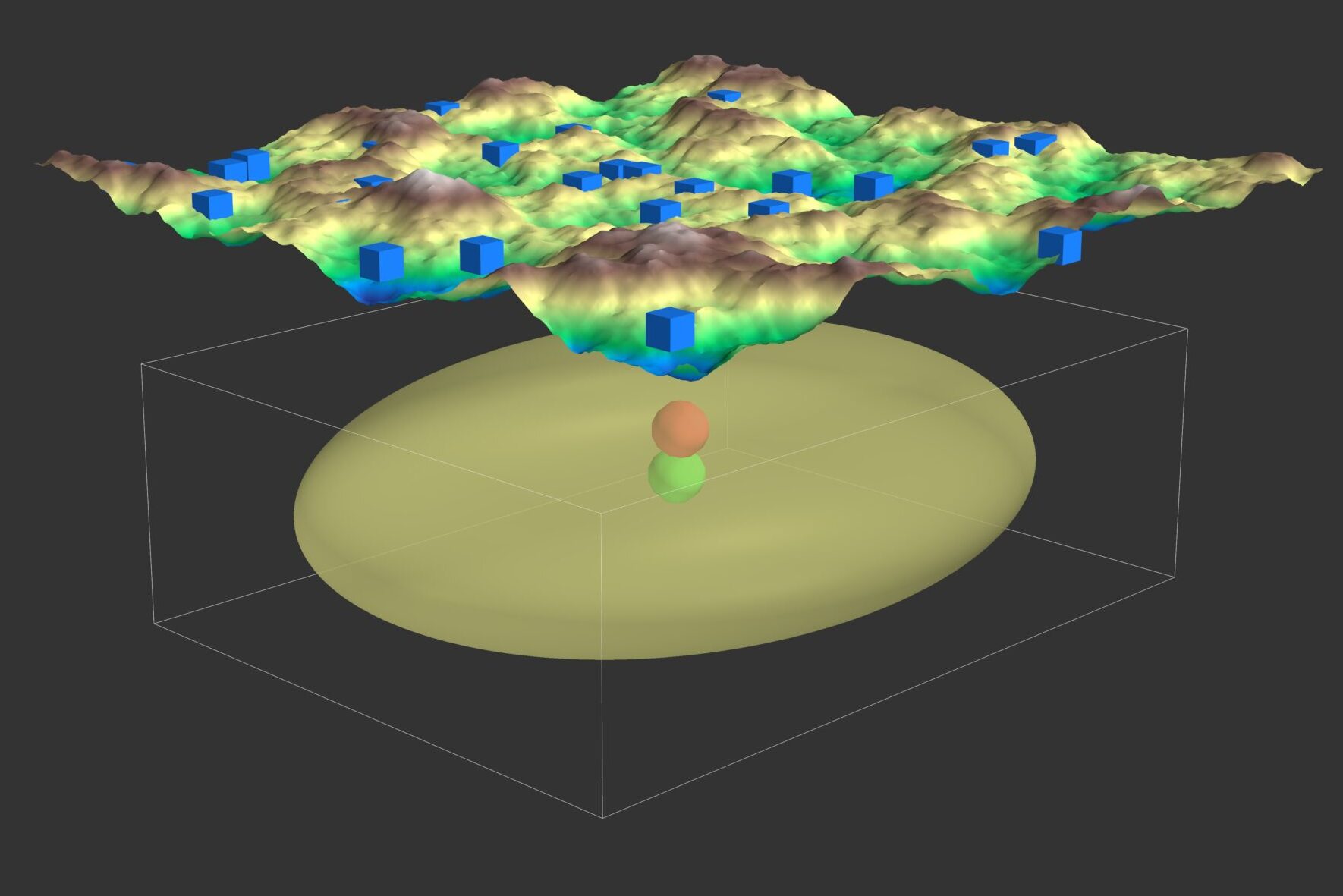
Discover how Genetic Algorithms can be applied to solve the earthquake location problem in seismology. This post walks through generating synthetic seismic d...
Learn how to seamlessly sync your Zotero files across devices using WebDAV with Koofr and Google Drive. This step-by-step guide ensures your research materia...
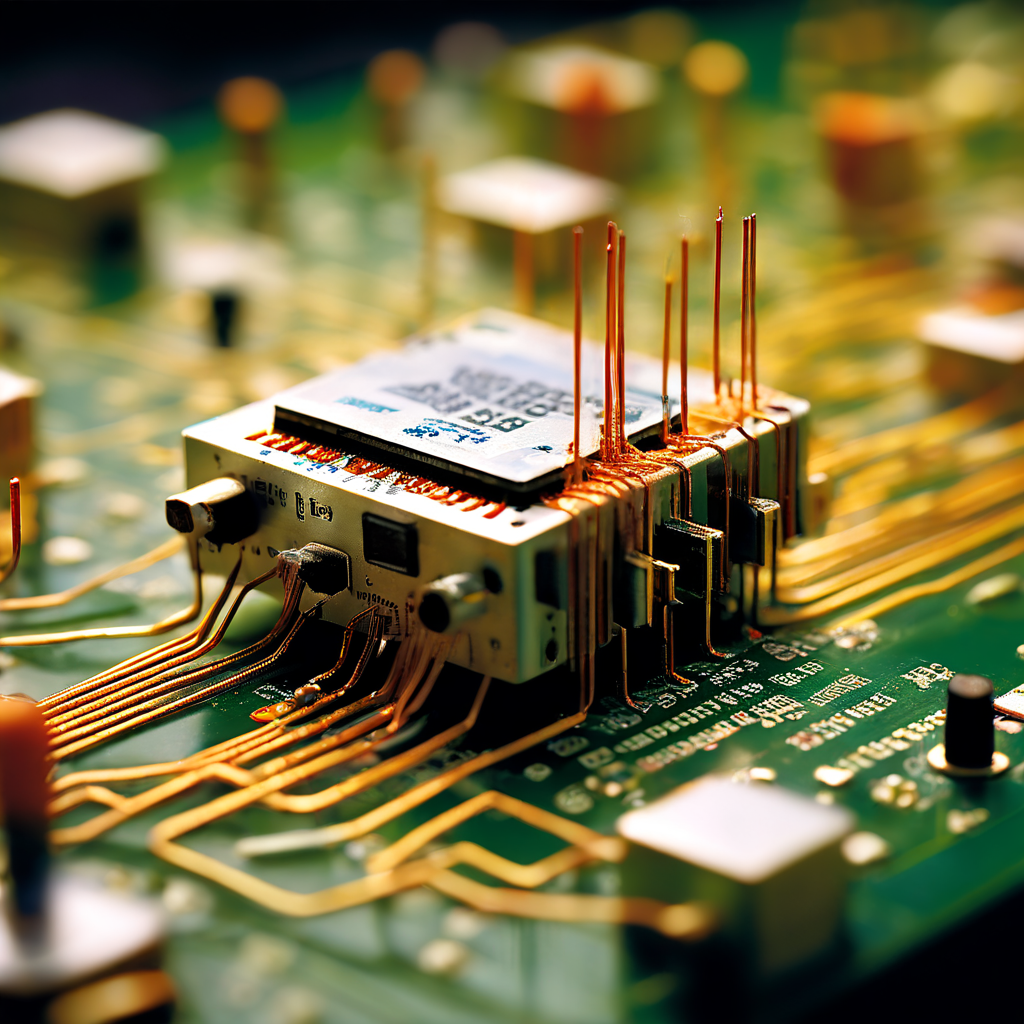
While MEMS accelerometers offer advantages in cost, size, and deployment flexibility compared to traditional broadband seismometers, they face limitations in...
While MEMS accelerometers offer advantages in cost, size, and deployment flexibility compared to traditional broadband seismometers, they face limitations in...
A tour of how modern earthquake-monitoring systems turn continuous seismic waveforms into earthquake catalogs — the ML pipeline of picking, association, and ...
A beginner-friendly walkthrough to build and run Whisper Journal with multilingual dictation, local Whisper transcription, AI-assisted title/tag generation, ...
I built SeismoAlert to fetch USGS earthquake data, run statistical analysis, detect anomalies, and generate interactive maps from a single CLI.
A practical, beginner-friendly walkthrough of a complete FastAPI DevOps workflow: clean code, layered testing, CI with Jenkins and GitHub Actions, and runtim...
Turn your everyday computer into a home server you can access from anywhere using Dynamic DNS, a simple update script, and secure SSH access.
The San Francisco Bay Area combines high seismic hazard, dense urban exposure, and aging infrastructure. Structural Health Monitoring can improve post-earthq...
A Python-based solution for indexing and searching files on a macOS system using SQLite, FAISS, and semantic search.
Cloud computing is transforming geophysical and seismological research by enabling scalable processing, faster collaboration, and reproducible workflows for ...
A practical introduction to Docker for geophysics students, including images, containers, volumes, and a simple workflow for reproducible seismic data analys...
Learn how to set up Databricks, create your first Spark cluster, upload data, and run PySpark notebooks for scalable big data analysis.
Discover how Genetic Algorithms can be applied to solve the earthquake location problem in seismology. This post walks through generating synthetic seismic d...
Learn how to seamlessly sync your Zotero files across devices using WebDAV with Koofr and Google Drive. This step-by-step guide ensures your research materia...
While MEMS accelerometers offer advantages in cost, size, and deployment flexibility compared to traditional broadband seismometers, they face limitations in...
While MEMS accelerometers offer advantages in cost, size, and deployment flexibility compared to traditional broadband seismometers, they face limitations in...