Autoencoders for Seismic Waveforms: Compress, Learn, and Generate
Autoencoders learn compact representations by reconstructing seismic data. This tutorial explains their use...

Magnitude 2.5+ over the past 24 hours.
Loading recent earthquakes…
Autoencoders learn compact representations by reconstructing seismic data. This tutorial explains their use...

How human comparisons become a training signal, where DPO fits, and why useful AI agents still need indepen...
Recent technical articles on seismic analytics, scientific computing, numerical modeling, and production data workflows.
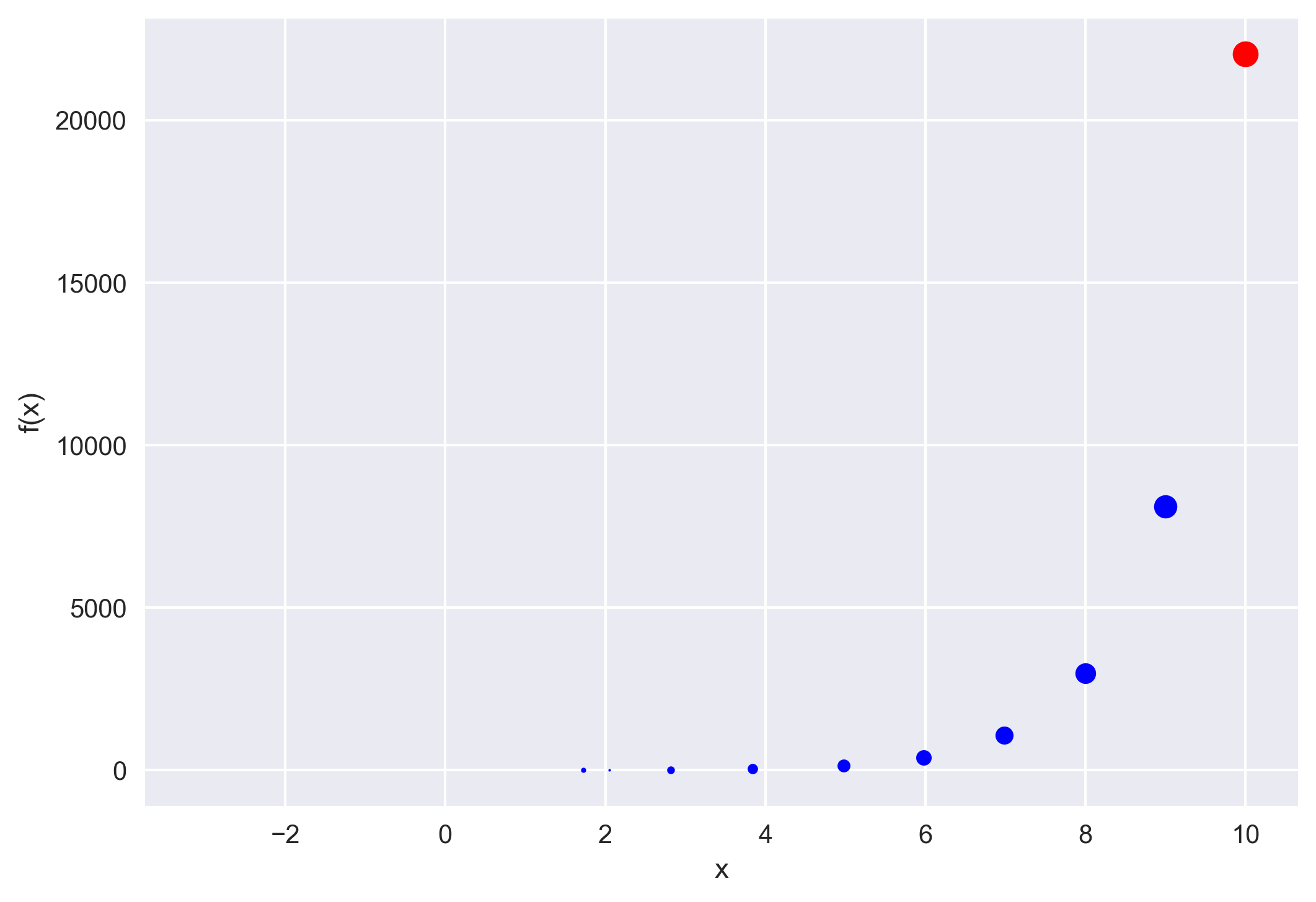
The Newton–Raphson method (commonly known as Newton’s method) is developed for finding roots of a given function or polynomial iteratively. We show two examp...
Spin up a zero-dependency web server with Python’s built-in http.server to share files or preview a site on your local network.
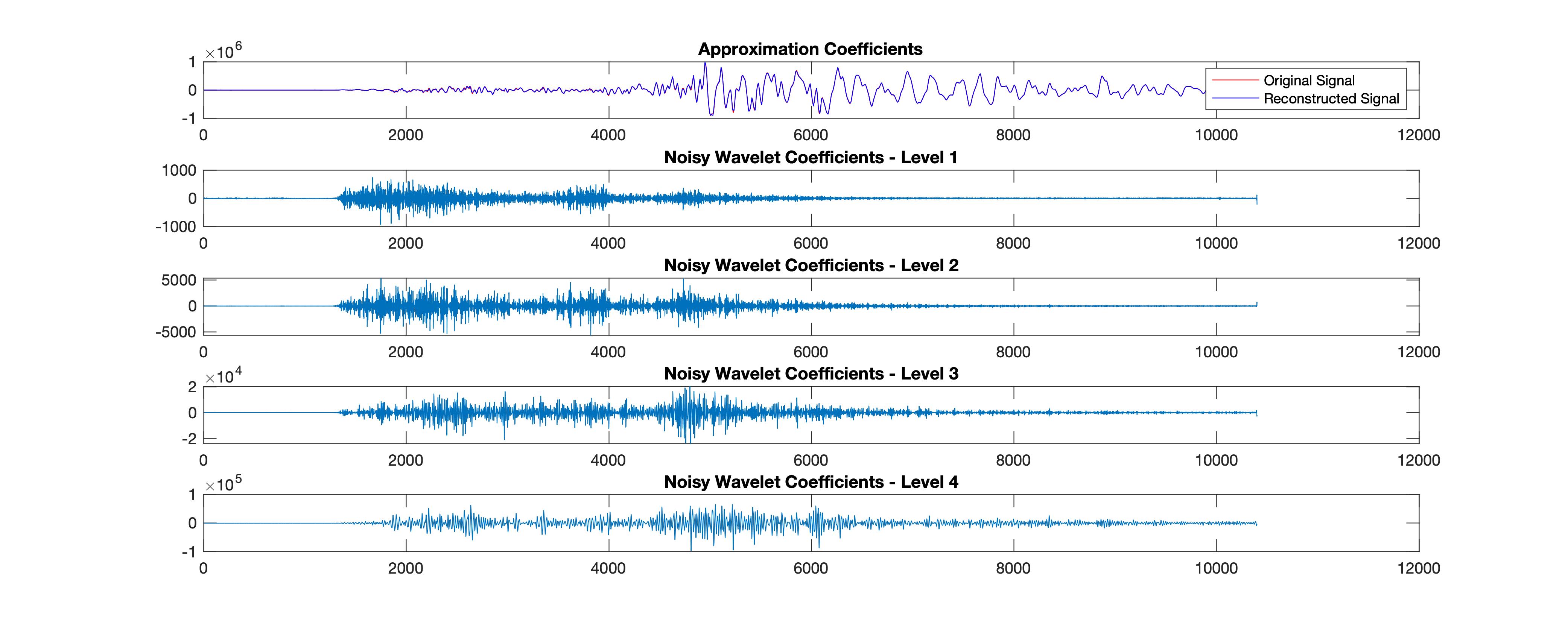
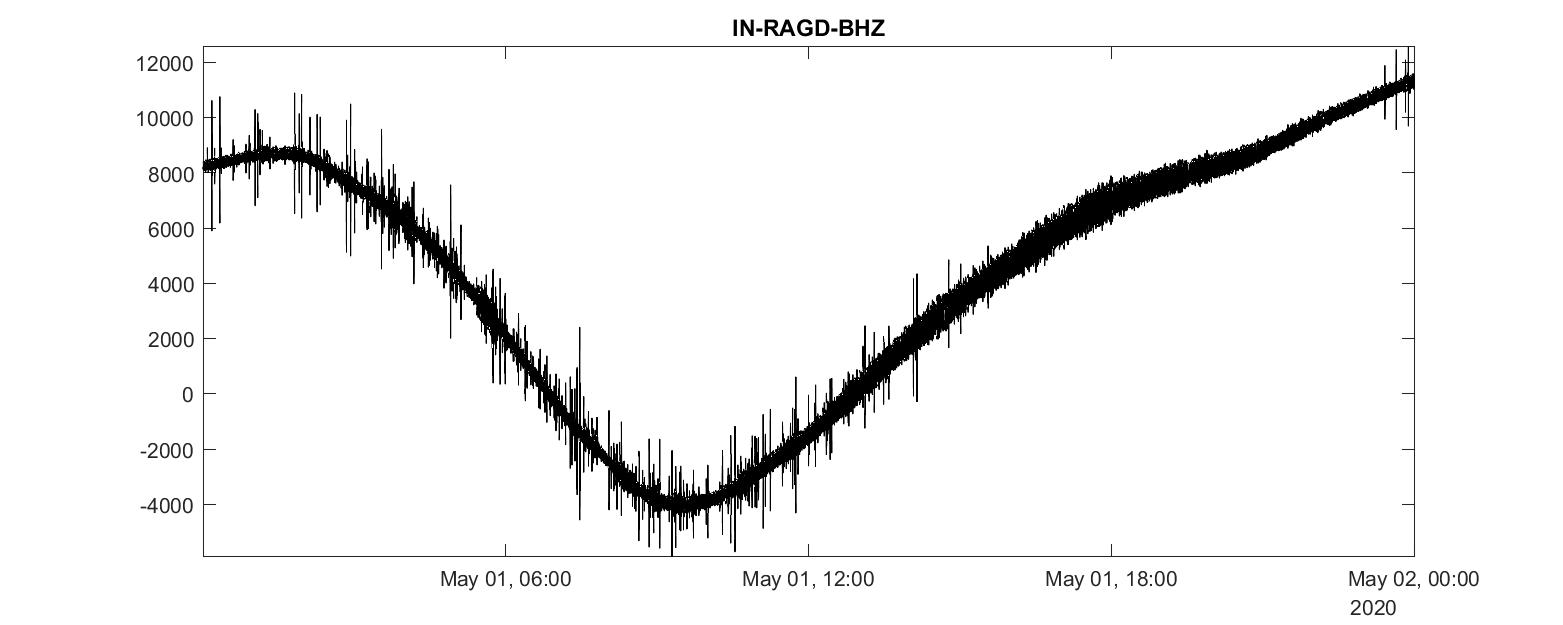
We see how to download seismic waveforms, convert them into mat format from mini-seed and then perform denoising using wavelet analysis. We first performed w...
Follow the instructions to make your python script executable from anywhere in Linux system.
Paramiko module can be used in Python to securely send data from the local client to the remote server. It is analogous to the SSH and SCP in Linux.
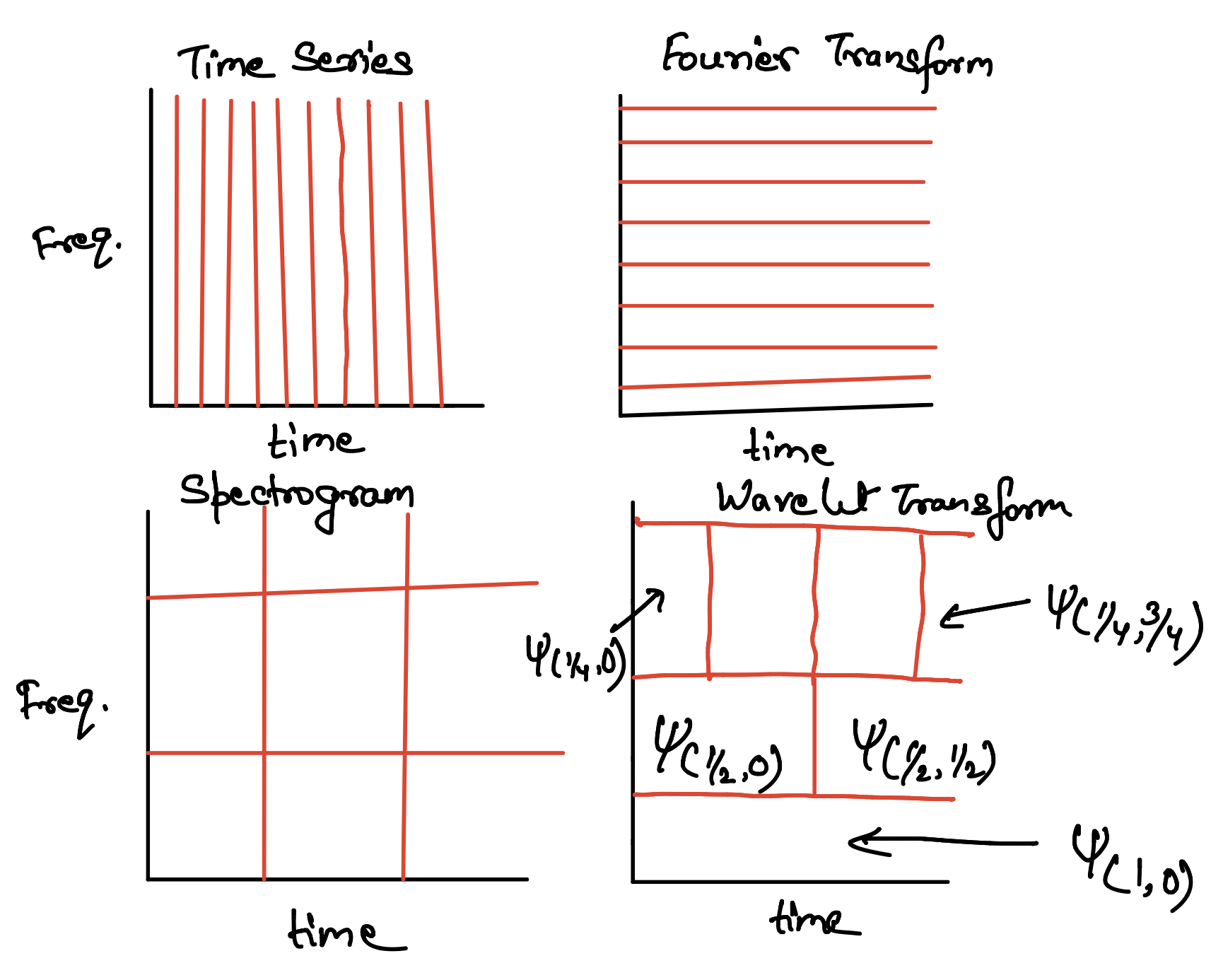
We will learn the basic concepts of wavelet tranform and multi-resolution analysis starting from the Fourier Transform, and Gabor Transform.
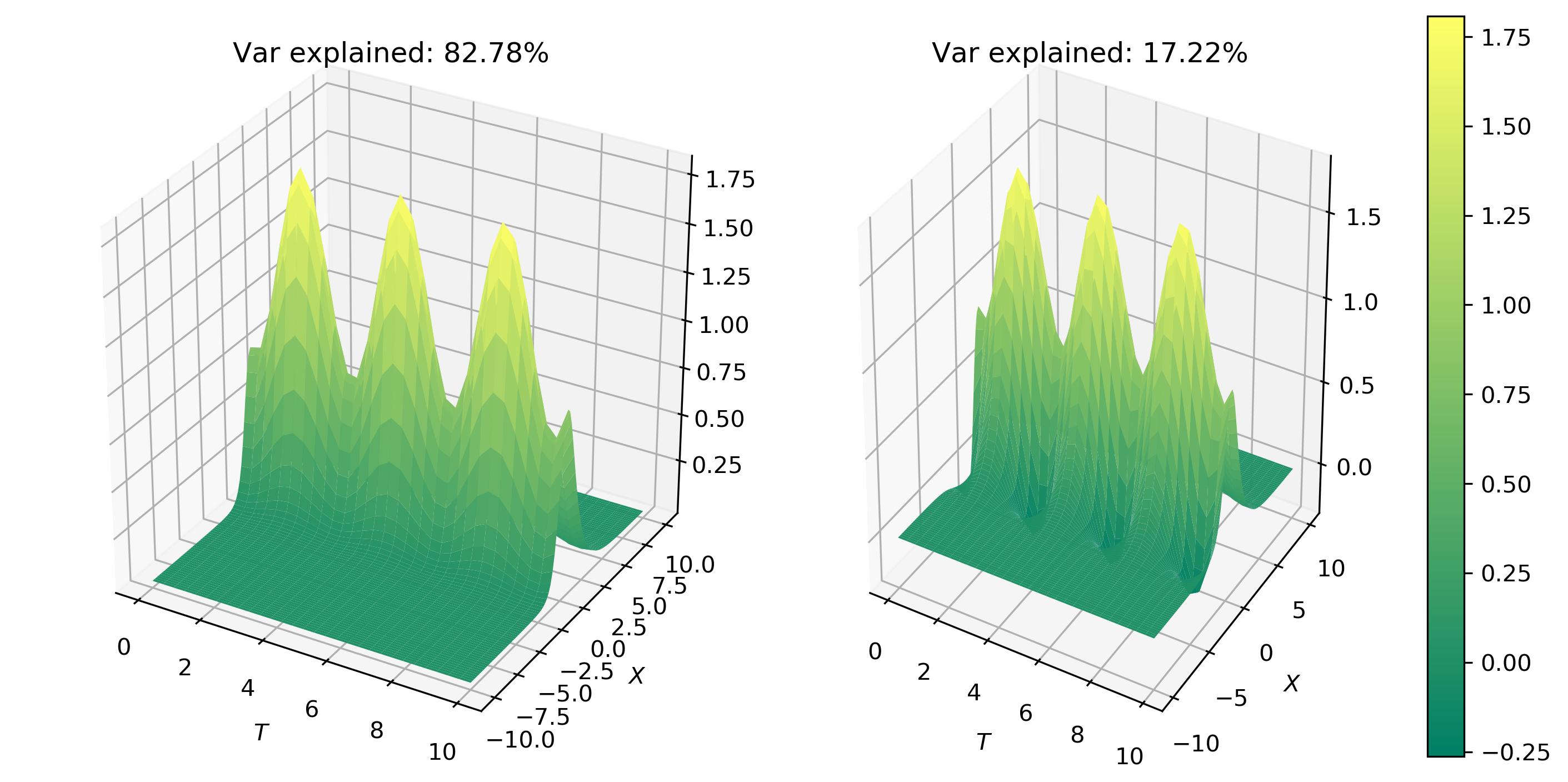
Empirical Orthogonal Functions analysis decomposes the continuous space-time field into a set of orthogonal spatial patterns along with a set of associated u...
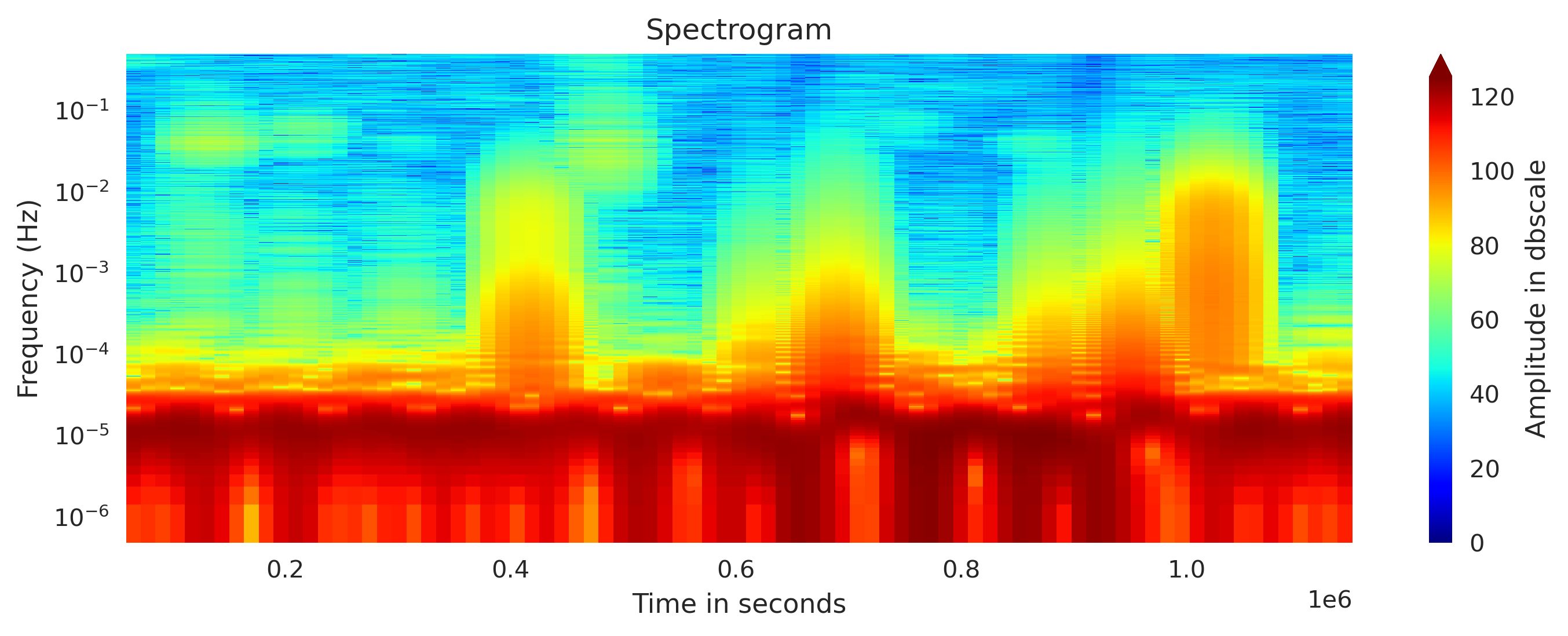
I concatenate the daily seismic traces for 15 days into one miniseed file for further analysis. Then I obtained the spectrogram of the 15 days seismic data. ...
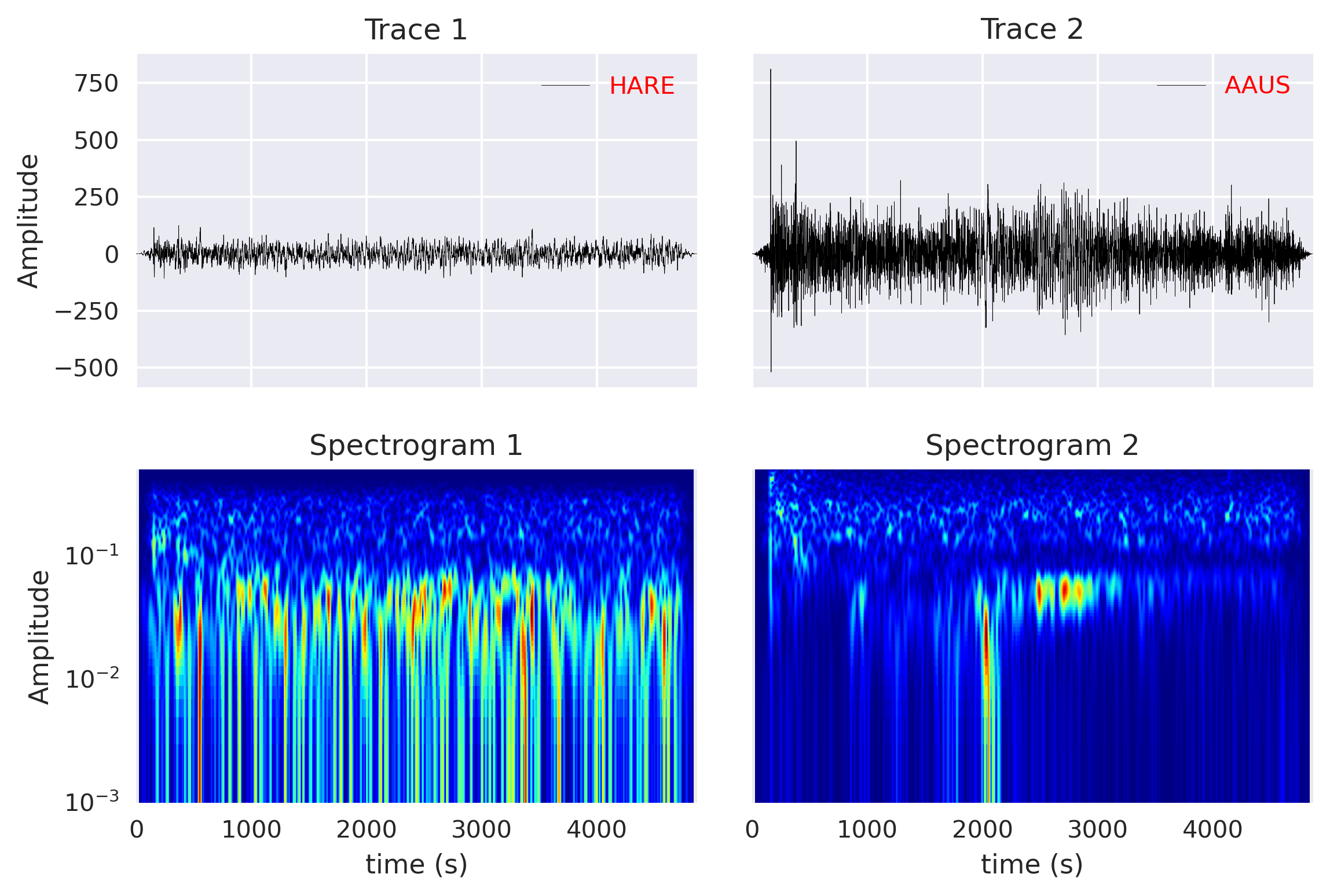
Read the seismic traces from the miniseed files and compute the cross-correlation and spectrogram
Use Principal Component Analysis (via SVD) to decompose a space-time signal into a few dominant modes and reduce its dimensionality, with Python code.
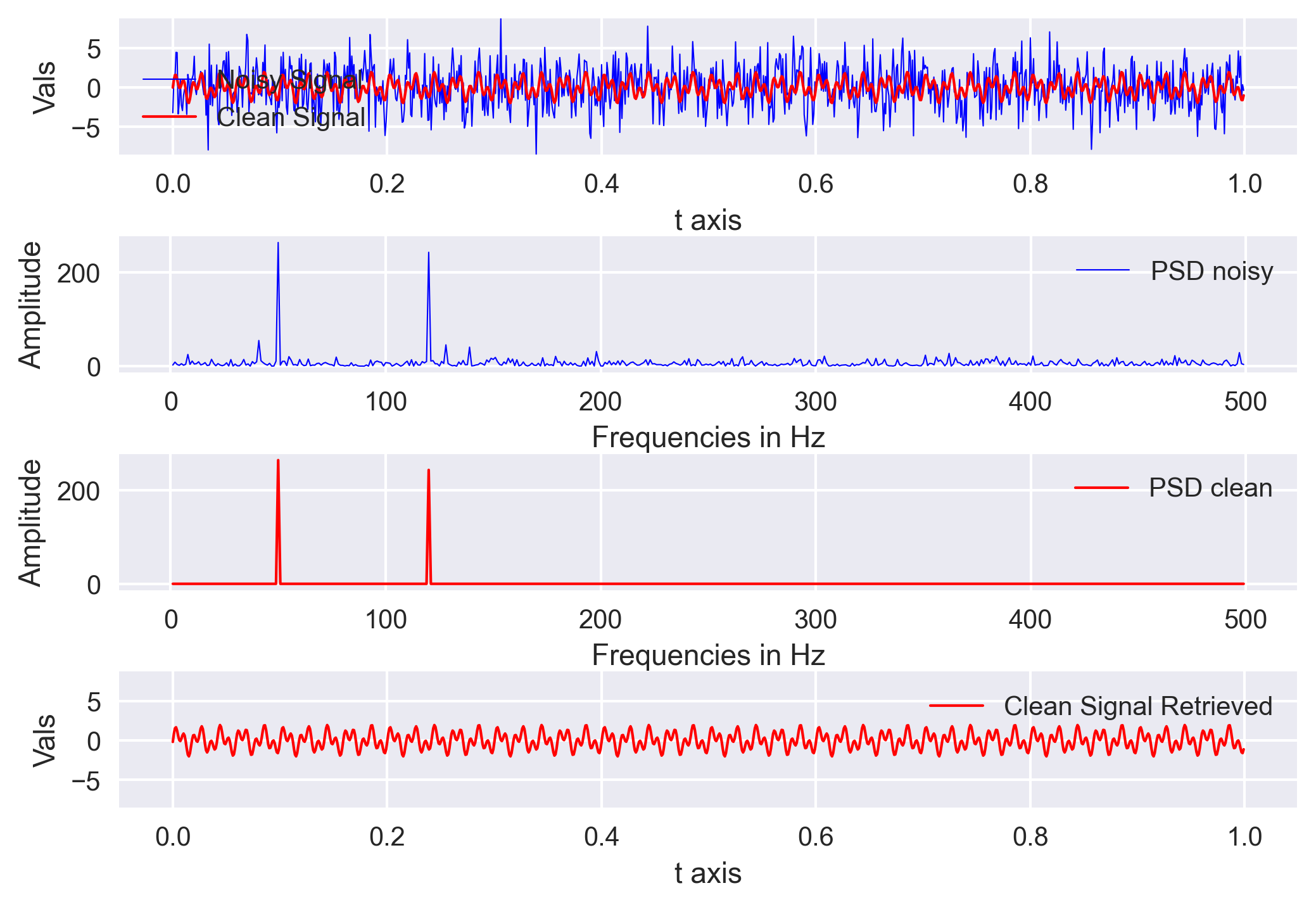
We will learn the basics of Fourier analysis and implement it to remove noise from the synthetic and real signals
We will learn how to convert a mseed data file into mat format and then read and analyze it using MATLAB
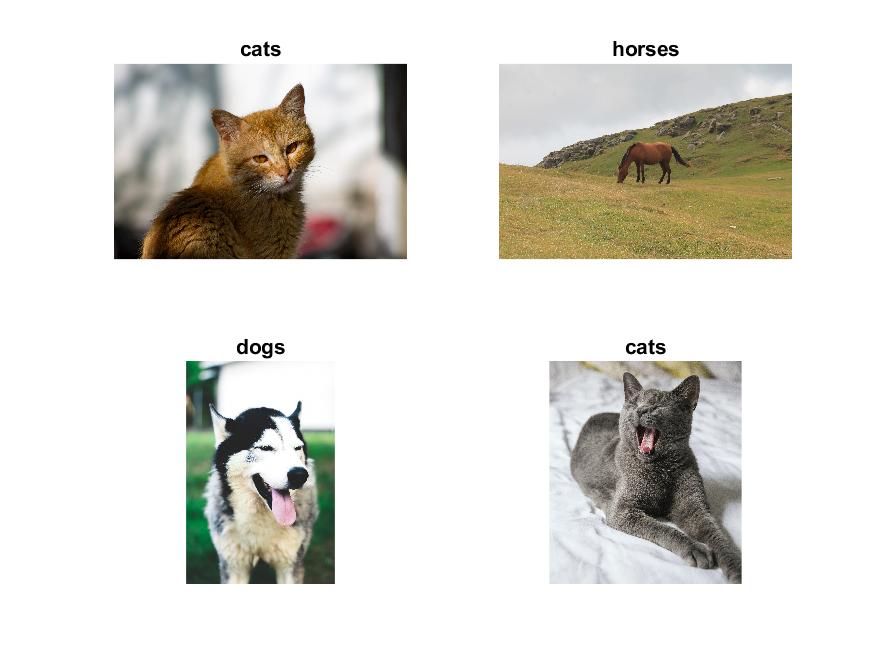
Transfer learning using the pre-trained deep learning networks from MATLAB can be easily implemented to achieve fast and impressive results
In this introduction to the concepts of Pytorch data structures, we will learn about how to create and reshape tensors using Pytorch and compare it with the ...
The Newton–Raphson method (commonly known as Newton’s method) is developed for finding roots of a given function or polynomial iteratively. We show two examp...
Spin up a zero-dependency web server with Python’s built-in http.server to share files or preview a site on your local network.
We see how to download seismic waveforms, convert them into mat format from mini-seed and then perform denoising using wavelet analysis. We first performed w...
Follow the instructions to make your python script executable from anywhere in Linux system.
Paramiko module can be used in Python to securely send data from the local client to the remote server. It is analogous to the SSH and SCP in Linux.
We will learn the basic concepts of wavelet tranform and multi-resolution analysis starting from the Fourier Transform, and Gabor Transform.
Empirical Orthogonal Functions analysis decomposes the continuous space-time field into a set of orthogonal spatial patterns along with a set of associated u...
I concatenate the daily seismic traces for 15 days into one miniseed file for further analysis. Then I obtained the spectrogram of the 15 days seismic data. ...
Read the seismic traces from the miniseed files and compute the cross-correlation and spectrogram
Use Principal Component Analysis (via SVD) to decompose a space-time signal into a few dominant modes and reduce its dimensionality, with Python code.
We will learn the basics of Fourier analysis and implement it to remove noise from the synthetic and real signals
We will learn how to convert a mseed data file into mat format and then read and analyze it using MATLAB
Transfer learning using the pre-trained deep learning networks from MATLAB can be easily implemented to achieve fast and impressive results
In this introduction to the concepts of Pytorch data structures, we will learn about how to create and reshape tensors using Pytorch and compare it with the ...